

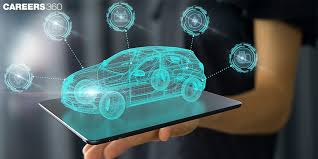
The Evolution of Automobiles: A Journey Through Innovation and Mobility
The automobile industry has profoundly impacted society, transforming how people and goods move. From early steam-powered vehicles to today’s advanced electric and autonomous cars, the story of the automobile is one of relentless innovation, adaptation, and engineering marvels. This article delves into the dynamic world of automobiles and how they continue to shape our lives.
A Brief History of Automobiles
The origins of the automobile can be traced back to the late 19th century. Pioneers like Karl Benz and Henry Ford revolutionized transportation with their innovations. Benz’s Motorwagen, introduced in 1886, is considered the first true automobile, while Ford’s assembly line in 1913 made cars affordable for the masses. These groundbreaking developments laid the foundation for the modern automotive industry.
The Modern Auto Industry: Trends and Innovations
The automobile industry is constantly evolving, driven by technological advancements and changing consumer preferences. Some of the most notable trends include:
- Electrification: Electric vehicles (EVs) are gaining popularity as the world shifts toward sustainable transportation. Companies like Tesla, Rivian, and traditional automakers like Ford and GM are leading the charge in developing high-performance EVs. These vehicles offer zero emissions, lower operating costs, and cutting-edge technology.
- Autonomous Driving: Self-driving technology, powered by artificial intelligence (AI) and machine learning, promises to redefine mobility. Companies like Waymo and Tesla are making strides in developing autonomous vehicles that can navigate without human intervention, enhancing safety and convenience.
- Connectivity: Modern vehicles are equipped with advanced infotainment systems, internet connectivity, and smart sensors. Features like over-the-air updates, real-time navigation, and voice-activated controls are enhancing the driving experience.
- Sustainability: Beyond EVs, the industry is focusing on sustainable materials, manufacturing processes, and renewable energy sources to reduce the carbon footprint of automobiles.

Automobiles and Their Societal Impact
Automobiles have revolutionized daily life, enabling personal freedom, economic growth, and global connectivity. They have reshaped urban planning and influenced everything from road infrastructure to global trade. However, the widespread use of fossil-fuel-powered cars has also led to environmental challenges, including air pollution and climate change, prompting the industry to adopt greener solutions.
Challenges in the Auto Industry
While the auto industry is advancing rapidly, it faces significant challenges:
- Supply Chain Issues: The COVID-19 pandemic exposed vulnerabilities in the global supply chain, leading to shortages of critical components like semiconductors.
- High Development Costs: Research and development for electric and autonomous vehicles require substantial investments, posing a challenge for smaller manufacturers.
- Regulatory Pressure: Stricter environmental regulations are pushing automakers to innovate faster, which can be costly and complex.
The Future of Automobiles
The future of the automobile is promising, with innovations reshaping the landscape. Advances in battery technology, hydrogen fuel cells, and autonomous systems are expected to dominate. Cities may also transition to shared mobility models, reducing traffic congestion and environmental impact.
Conclusion: Driving Toward Tomorrow
The automobile remains an indispensable part of modern life, constantly evolving to meet the needs of society. As the industry embraces electrification, autonomy, and sustainability, it stands on the brink of a transformative era. By prioritizing innovation and environmental responsibility, the future of automobiles promises to be more efficient, safer, and environmentally friendly.



