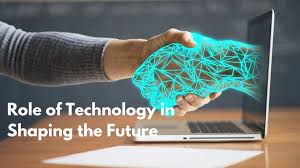
The Role of Technology in Shaping the Future
Technology is transforming every aspect of our lives, from the way we communicate and work to how we learn and entertain ourselves. Over the past few decades, technological advancements have rapidly accelerated, creating profound changes in society and the economy. As we move further into the 21st century, technology continues to play an integral role in shaping the future of industries, businesses, and individuals alike.
1. Technology and the Evolution of Communication
One of the most noticeable impacts of technology has been on communication. In the past, people relied on traditional methods like postal mail, landline phones, and face-to-face interactions to connect with others. Today, smartphones, social media platforms, and video conferencing tools have revolutionized how we stay in touch, making communication faster and more accessible than ever before.
The rise of the internet and mobile technology has brought people from different parts of the world closer together. Instant messaging, email, and video calls allow individuals to communicate in real time, breaking down geographical barriers. Social media platforms like Facebook, Twitter, and Instagram have also changed how we share information, connect with friends and family, and even engage with brands and businesses.
2. Technology in Education: Transforming Learning
Technology has also had a significant impact on education, providing new tools and methods for teaching and learning. With the rise of online learning platforms, digital classrooms, and educational apps, access to knowledge has become more widespread and flexible. Students no longer have to rely solely on traditional textbooks or attend physical classrooms to learn; they can access a wealth of resources on the internet, from interactive tutorials to virtual simulations.
Moreover, technology allows for personalized learning experiences, catering to the individual needs of students. Adaptive learning software, for example, can adjust the pace and difficulty of lessons based on a student’s progress, ensuring that they are learning at a comfortable and effective pace. Virtual reality (VR) and augmented reality (AR) technologies are also enhancing educational experiences by immersing students in interactive, hands-on learning environments.
3. Technology and the Workplace
The workplace has been revolutionized by technology, with innovations such as artificial intelligence (AI), automation, and cloud computing reshaping how businesses operate. AI-powered tools can analyze vast amounts of data to help organizations make more informed decisions, while automation is streamlining tasks that were once time-consuming and labor-intensive.
Remote work, facilitated by video conferencing tools like Zoom and collaboration platforms like Slack and Microsoft Teams, has become more prevalent, allowing employees to work from anywhere in the world. This shift not only increases flexibility but also opens up new opportunities for businesses to tap into a global talent pool.
Technology also plays a critical role in enhancing productivity. Tools like project management software, time-tracking apps, and cloud storage systems have made it easier for teams to collaborate and stay organized. As a result, businesses are able to operate more efficiently, increase their output, and focus on innovation.
4. The Future of Technology: Emerging Trends
Looking ahead, technology will continue to evolve and drive change across various sectors. Some of the most exciting trends on the horizon include advancements in artificial intelligence, machine learning, and quantum computing. AI is poised to revolutionize industries ranging from healthcare and finance to entertainment and manufacturing, improving efficiency and decision-making processes.
Additionally, the Internet of Things (IoT), which connects everyday devices to the internet, is creating new possibilities for automation and smart living. From smart homes to wearable health devices, IoT is changing how we interact with the world around us.
As technology progresses, however, it also presents new challenges, such as data privacy concerns, cybersecurity threats, and the potential for job displacement due to automation. Addressing these challenges will require careful consideration, regulation, and innovation to ensure that technology continues to benefit society as a whole.